
BLW method – expanding infants' diet
6 mins read czytania
8 March 2024

BLW (Baby-Led Weaning) is an innovative approach to expanding infants' diet, which is gaining increasing popularity worldwide. BLW literally means "weaning led by the baby" and involves allowing toddlers to independently discover and eat solid foods instead of being fed with a spoon by a caregiver. This feeding style allows the child to control what and how much they eat, encouraging them to explore different tastes, textures, and shapes of food.

Key assumptions of the BLW method – independence, autonomy, family meals

Traditional introduction of solid foods often involves feeding infants pureed or semi-liquid foods with a spoon. In this approach, the parent controls what and how much the child eats, which can limit their eating experiences. BLW is the opposite of these traditional methods! Here, the child is an active participant in meals, deciding on the pace and method of eating, as well as the choice of foods consumed.

The BLW method is based on several fundamental principles:

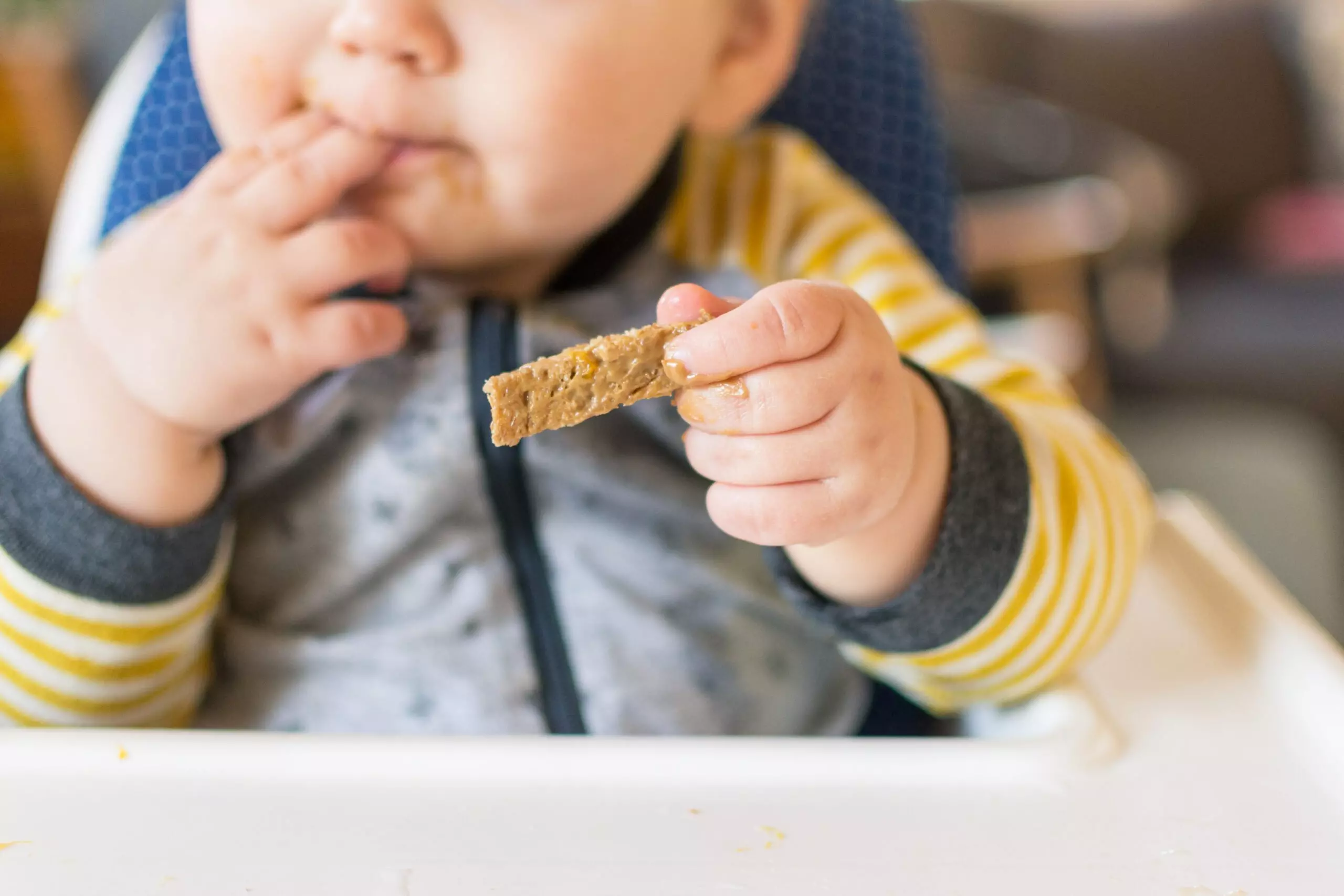
  • Self-feeding – the main idea of BLW is to allow the child to eat solid foods independently. Infants are encouraged to grab food with their hands and eat at their own pace. This allows for the development of motor skills, as well as training sensory integration – children can discover different textures and tastes.

  • Child control – in the BLW method, the child controls how much and what they eat. Parents offer a variety of safe and appropriately prepared foods, but it is the toddler who decides which and how much of them they will eat. This autonomy helps in developing appetite self-regulation skills.

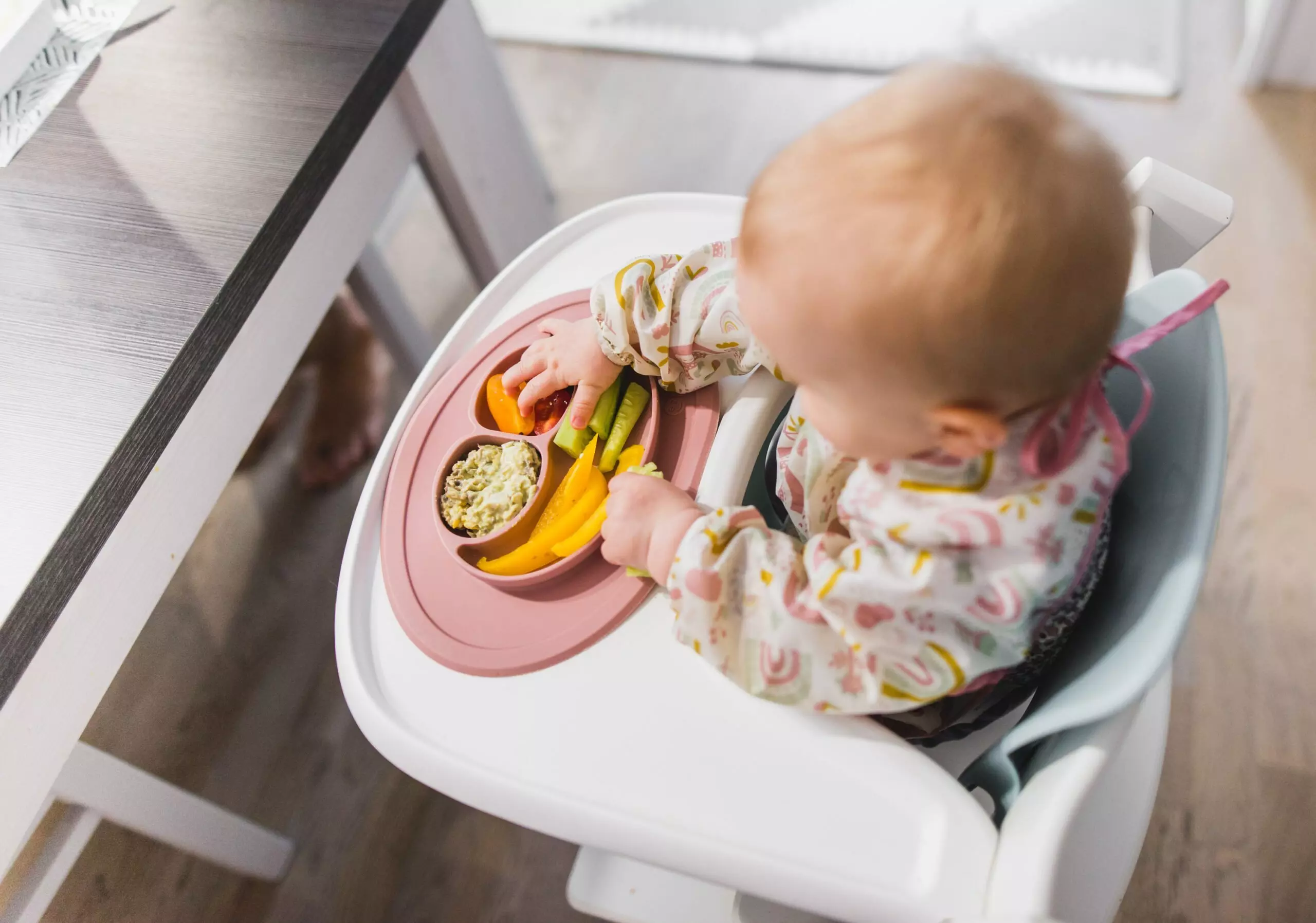
  • Participation in family meals – BLW promotes the inclusion of children in shared family meals. Instead of preparing separate meals for infants, toddlers eat the same food as the rest of the family, of course, taking into account appropriate food preparation for safety. Toddlers should be provided with a comfortable high chair with necessary safety features and a seat at the appropriate height, as well as their own plates and bowls.

Thanks to these assumptions, the BLW concept perfectly aligns with promoting healthy eating habits and building a positive relationship with food from the very first year of a toddler's life.

Benefits of using the BLW method when expanding infants' diet

The BLW method offers a range of benefits that support a child's development in various aspects, from motor to emotional and social.

One of the key benefits of the BLW method is support for motor development. Allowing children to eat independently encourages the development of hand-eye coordination and grasping skills. The child learns to manipulate food, which contributes to the development of fine motor precision and the strength of fingers and hands. This practice has a direct impact on the development of fine motor skills, which are important in many other aspects of a child's life, including writing.

BLW allows children to discover different tastes and textures on their own terms. This gives children the opportunity to experiment with a variety of foods, which can contribute to developing more diverse taste preferences. Exploring different food textures also stimulates the child's sensory development.

The BLW method also supports emotional and social development. Self-feeding promotes independence and self-confidence in children. Shared meals, in which the child actively participates, help in integration with the family and developing social skills. Children also learn patience and how to cope with frustrations that may arise during the learning process of eating.

BLW must be safe! How to expand a child's diet?

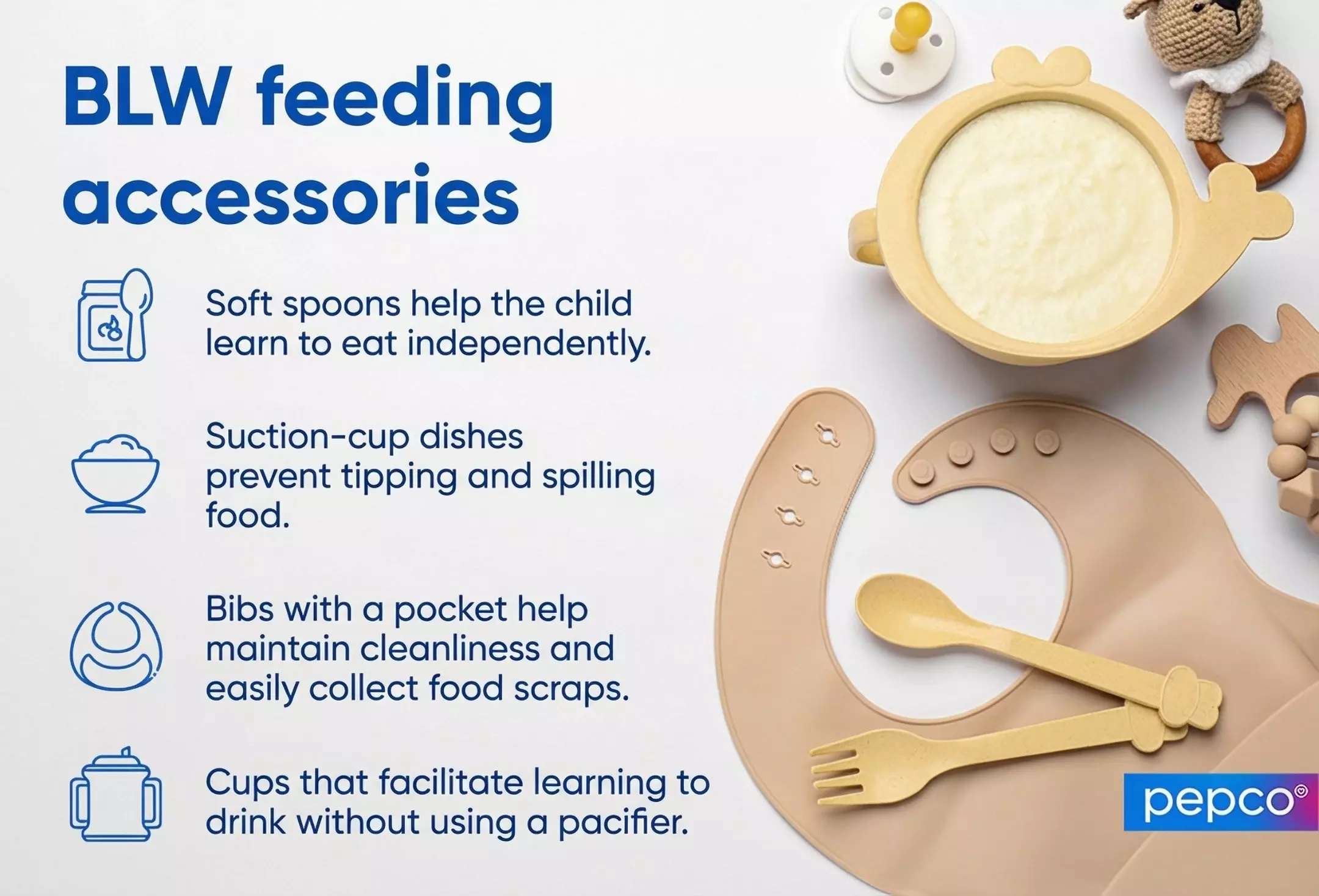
Introducing the BLW method must be safe! Make sure the foods are soft and appropriately prepared for an infant to eat. It is important to avoid small, hard, round, or sticky foods that can pose a choking hazard. A child who is eating should always be supervised by an adult. It is worth equipping yourself with baby accessories for eating, which will make your toddler's first meals more attractive.

When serving food, pay attention to its size and shape. Ideal are long, easy-to-grip pieces that the child can easily hold and bite. They should also be large enough for the toddler to grip comfortably and stably, and then bring to their mouth, but at the same time soft enough to chew and swallow easily.

Hygiene and cleanliness during meals are equally important. Regularly clean the child's hands and face, as well as surfaces and toys that may come into contact with food. Maintaining cleanliness in the eating area helps prevent the spread of bacteria and maintains a healthy environment for the little taste explorer.

How to start? First steps in BLW

The beginnings can be difficult and full of challenges. They will certainly require a lot of patience and openness to the toddler's needs from the parent. How to introduce BLW?

  1. Choosing the right foods to start with – begin with soft fruits and vegetables, such as cooked carrots, bananas, or avocado. Choose foods that are easy to grip and safe for the child.
  2. Encourage the child to try new foods – let the child explore foods, do not pressure them to eat. Be patient and let the child explore foods at their own pace.
  3. Recognizing hunger and satiety cues – observe the child to understand when they are hungry and when they are full. Unrestrained joy at the sight of food (the child is hungry, wants to eat) or turning their head away from the bowl or plate (the child is full, does not want to eat) – these are signals that should be recognized and respected.

What challenges and potential inconveniences should you prepare for? First and foremost – mess – accept it as part of your toddler's important learning process. Use easy-to-clean dishes, placemats, and mats under the high chair. What to do if the child doesn't want to eat? Under no circumstances force the infant to eat. Offer a variety of foods and let the child decide what and how much they will eat. Importantly, BLW can be freely combined with breastfeeding or bottle-feeding.