Healthy Eating
5 mins read czytania
15 January 2024

What is healthy eating? It is a way of eating that provides the body with all the essential nutrients, vitamins, and minerals, while maintaining variety in the chosen products. The importance of healthy eating for overall health is undeniable! A well-balanced diet has a positive impact on, among other things, our well-being, concentration, and mental balance.

Basics of Healthy Eating – You Need to Know This!

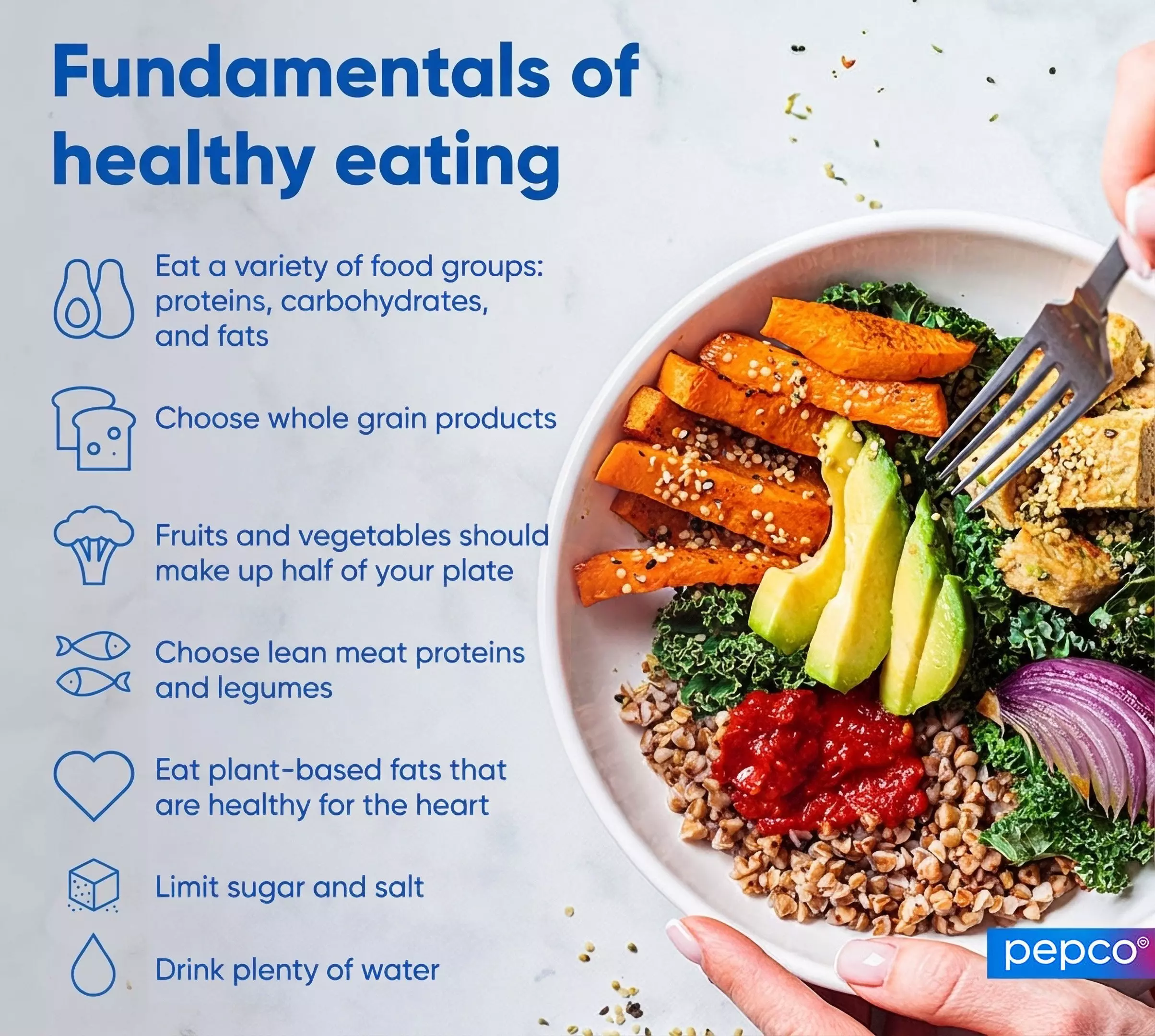
Healthy eating is based on properly balancing your daily diet, which should provide the right proportions of essential nutrients. A key aspect is to provide the body with everything it needs to function correctly, while avoiding excess or deficiency of any elements.

Macronutrients are the foundation of any diet!

  • Proteins – essential for building and regenerating muscles, skin tissue, and producing hormones and enzymes. Good sources of protein include meat, fish, dairy, eggs, as well as legumes, nuts, and seeds.
  • Carbohydrates – the main source of energy for the body. It is worth choosing complex carbohydrates, such as whole grain products, as well as fruits, vegetables, and legumes, which also provide fiber that supports digestion.
  • Fats – important for the health of the brain, heart, and joints. Healthy fats should be chosen, such as those found in fish, avocados, nuts, seeds, and olive oil.

Micronutrients are vitamins and minerals, which are needed in smaller amounts but are crucial for many life processes and the immune system. A healthy diet should include a variety of fruits and vegetables, which are a rich source of these components.

Hydration is just as important as choosing the right foods. Water is essential for the proper functioning of the body, supporting, among other things, digestion and the removal of toxins. It is recommended to drink at least 2 liters of water per day, although the requirement may vary depending on individual needs, physical activity, and climatic conditions.

Healthy Eating Tailored to Different Needs

Nutritional needs can vary depending on age and health status. A proper diet supports development in youth and helps maintain health and vitality in later years.

Nutrition for Children and Adolescents – An Investment in Healthy Development

For children, who are in a period of intensive growth and development, it is crucial to provide sufficient calories and balanced nutrients. The diet should be rich in protein for proper muscle and bone development, carbohydrates as an energy source, and healthy fats, which are important for brain development. It is also important to provide vitamins and minerals, especially calcium (crucial for strong bones) and iron (supporting mental development). Fruits and vegetables should be an important part of the diet, providing essential vitamins, minerals, and fiber.

Healthy Eating for Adults – Disease Prevention and Weight Management

The diet of adults should enable them to maintain a healthy weight, prevent chronic diseases, and provide the energy needed to face daily challenges. A properly balanced diet should be composed of fruits, vegetables, whole grains, lean protein sources, and healthy fats. Limiting processed foods, high-fat, and high-sugar products can help prevent heart disease, type 2 diabetes, and some types of cancer. Regular meals and portion control can help maintain a healthy metabolism.

Nutrition for Seniors – Maintaining Energy and Vitality

Seniors' metabolism slows down, and the ability to absorb certain nutrients may decrease. During this period, it is important to adjust the diet to the changing needs of the body. Seniors may need more protein to maintain muscle mass and strength, and fewer calories to avoid weight gain. A diet rich in fiber will help maintain healthy digestion. It is also worth paying attention to adequate hydration, as the sensation of thirst decreases with age.

How to Plan Healthy Meals?

Planning healthy meals is key to maintaining a balanced diet and can be simpler than it seems!

Here are some tips to help you organize and prepare healthy meals every day:

  1. Plan meals for the whole day/week – this approach helps avoid spontaneous reaching for less healthy options when there's no time to cook.
  2. Shop with a list – creating shopping lists based on a planned menu makes it easier to prepare meals and stick to a healthy plan.
  3. Prepare meals in advance – you can prepare some dishes in advance, which saves time and ensures you always have a healthy option on hand. Ensure you have access to solid food containers that make it easy to store and transport prepared meals. You can find a wide selection of modern containers and bottles at Pepco.

Make sure your diet is varied. Incorporating different types of vegetables, fruits, and whole grain products will ensure that you provide your body with all the necessary nutrients, and healthy eating will not be boring!